Here are some examples of the production process of radio lanyard, toy lanyard, flashlight lanyard and camera lanyard. 1. Wholesale of webbing: nylon, pp, polyester and high elastic cotton are generally used to make lanyards, and the general specifications are 4mm, 5mm, 6mm, 7mm, 8mm, 10mm, 12mm, 16mm, 20mm and 25mm wide. 2. Accessories: general accessories include metal clasps, certificate clips, etc., and plastic ones include aircraft clasps, plug buckles, safety buckles, etc. 3. Assembly: first print, cut according to the specified size, add string, plastic buckle, glue or press metal sheet, and then package. After inspection, a lanyard can be shipped in this way.
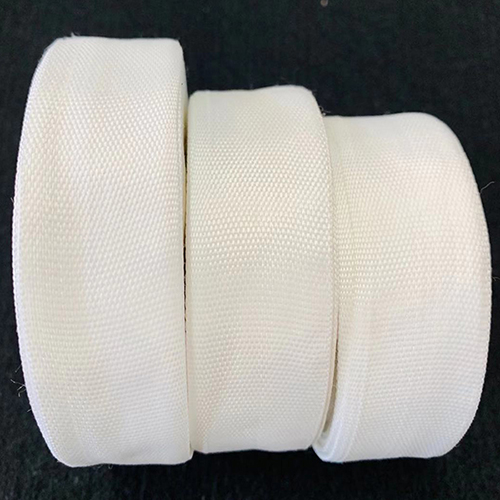
Not only the production process is complex, but also the packaging process is very complicated. Only the webbing that has passed the inspection can be packaged out of the warehouse, otherwise it will be treated as defective products. The specific packaging process is as follows: 1. The process control method: 1. The surface of each winding tape must be smooth and flat (except for special webbing); Those who cannot be involved in substandard products shall be held accountable according to the seriousness of the case. Knot: ≤ 3/100Y, ≤ 2/50Y; Short code: ± 0.5/100Y; Each knapsack strap must have the label of the tape coiler. Inspection according to the customer's requirements: for example, 336, 217, 115, 314, 108, 114, 384, 206, 419, 122 adhesive paper and rubber hose, no pins can be used;

Ink printing. At first glance, ink is not very different from glue, but when glue is printed on smooth fabrics, such as wind clothing, the color fastness is generally poor, and it can be scraped off with a nail, but ink can overcome this shortcoming. Therefore, when making windbreaker, it is usually printed with ink, with bright color and vivid image. There has been a wave of head prints in the market some time ago~I don't know if you have noticed it, then the clear and ultra realistic printing can only be printed with ink in general~Sometimes you can sprinkle gold powder and silver powder on the ink, and feel that the decoration effect is better.

Causes of bleeding. Some customers will customize the printing, but the PP fabric manufacturers sometimes have color bleeding when printing the PP ribbon, so the manufacturers should pay attention to the reasons when printing. Only by understanding these reasons can we reduce the occurrence of various conditions in the future use. What are the reasons for color bleeding when printing? There is dirt on the surface of the machine during printing. Cleaning up during production can reduce these problems.

For many printing, attention should be paid to printing when mass producing silk screen products, ribbon printing and ribbon printing. Screen printing is the basis of screen printing, and selecting appropriate screen is an indispensable link. As printing processing and screen printing have a very wide range of applications, there are many factors related to them. When selecting screen, different printing screens should be selected according to the specific situation and printing requirements. Generally, the following different perspectives can be considered when selecting screen. Screen shall be selected according to the type of substrate with binding ribbon printing and printing price. When selecting, it shall be selected and used according to fiber fabric, paper products, glass, ceramics, metal, plastic, wood products, electronic products, etc.

Dalian Cotton ribbon Manufacturer Silk fabrics have high porosity, so they have good sound absorption, dust absorption and heat resistance. So in addition to making clothes, it can also be used for Dalian customized Cotton ribbon Interior decoration, such as silk carpet, tapestry, curtain, wall cloth, etc. Decorating a room with silk ornaments can not only make the room spotless, but also keep the room quiet. Due to its hygroscopicity, moisture release performance, moisture retention, air absorption and porosity, it can also adjust the indoor temperature and humidity. Silk fiber has small thermal denaturation and is relatively heat-resistant. When it is heated to 100 ℃, it is only about 5-8% brittle, and the thermal variability of most synthetic fibers is 4-5 times greater than that of silk. The combustion temperature of silk is 300~400 ℃, which is a non combustible fiber, while the combustion temperature of synthetic fiber is 200~2600C, which is flammable and fusible. Therefore, using silk fiber as the raw material for interior decoration can not only play the role of sound absorption, dust absorption, heat preservation, but also play the role of flame retardant.